Trending











Latest
VIEW ALL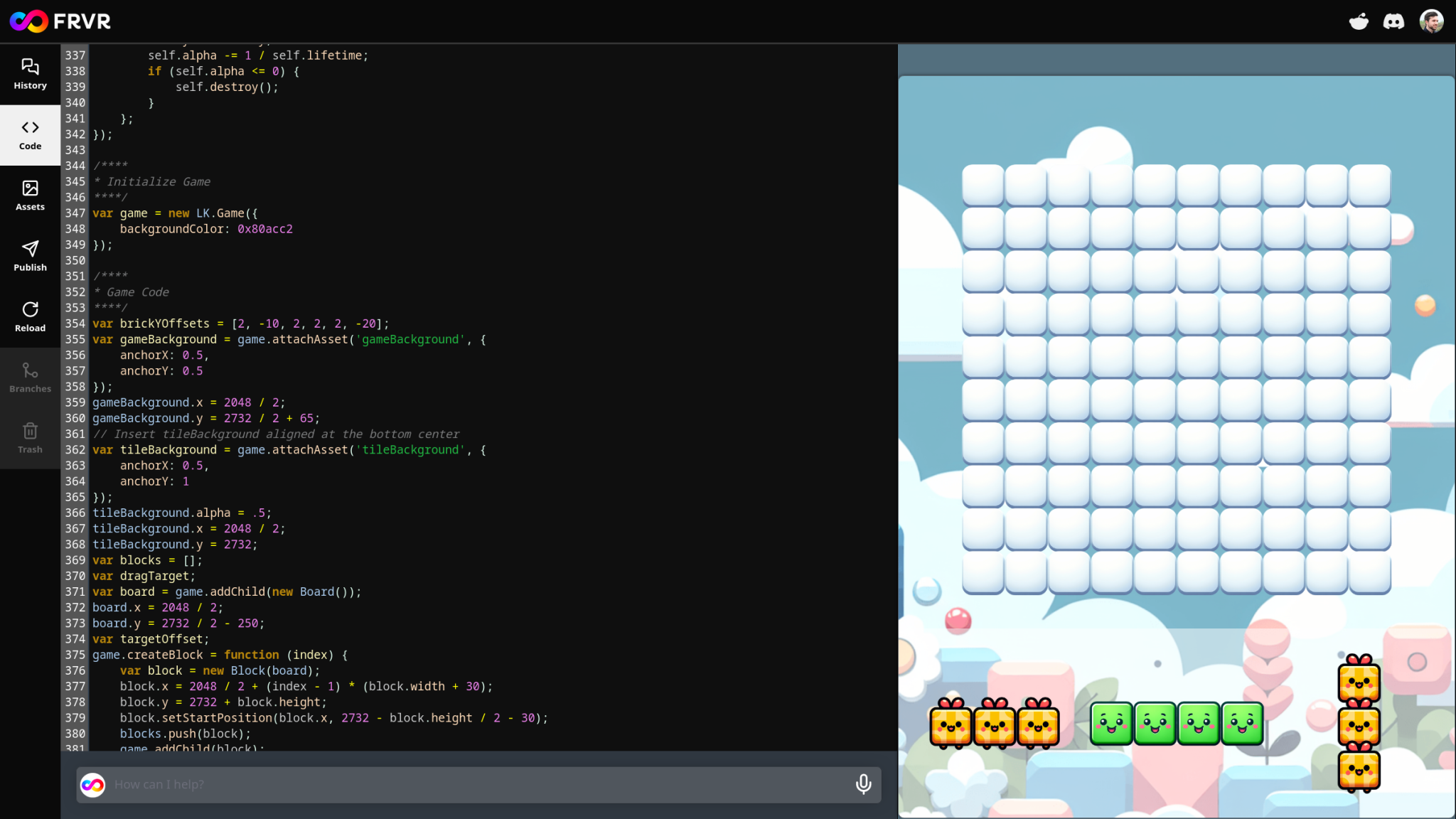
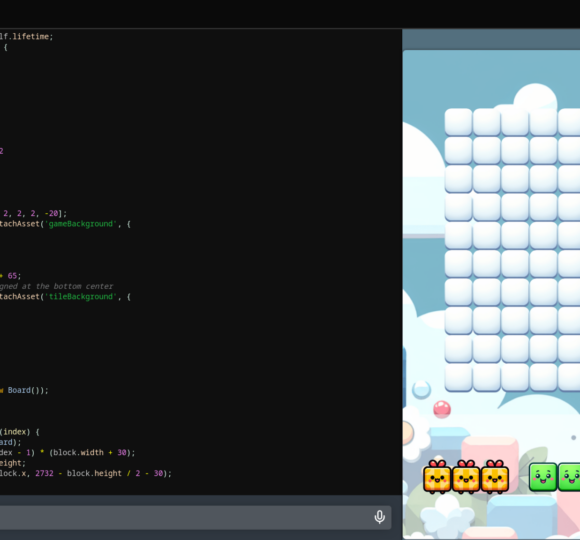
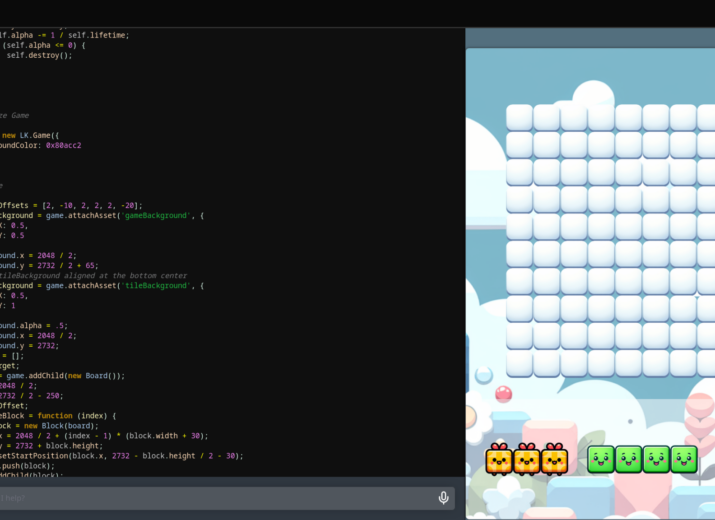
FRVR AI enables anyone to create their own games
Video games have become a dominant force in digital entertainment. While there is a vast selection of games available on nearly every device, many gamers dream of creating their own games that reflect their personal tastes and innovative
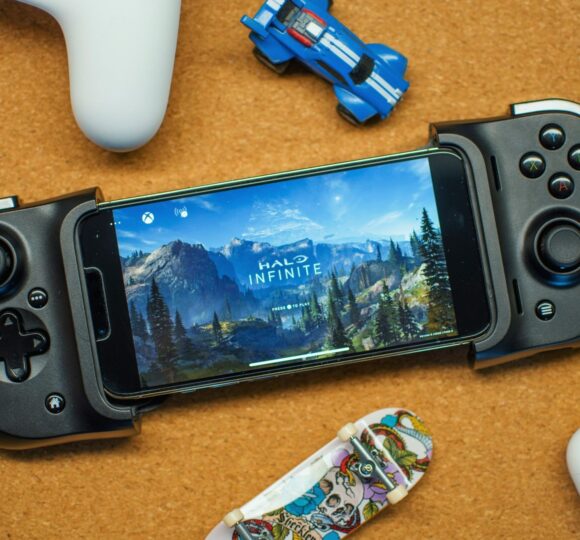
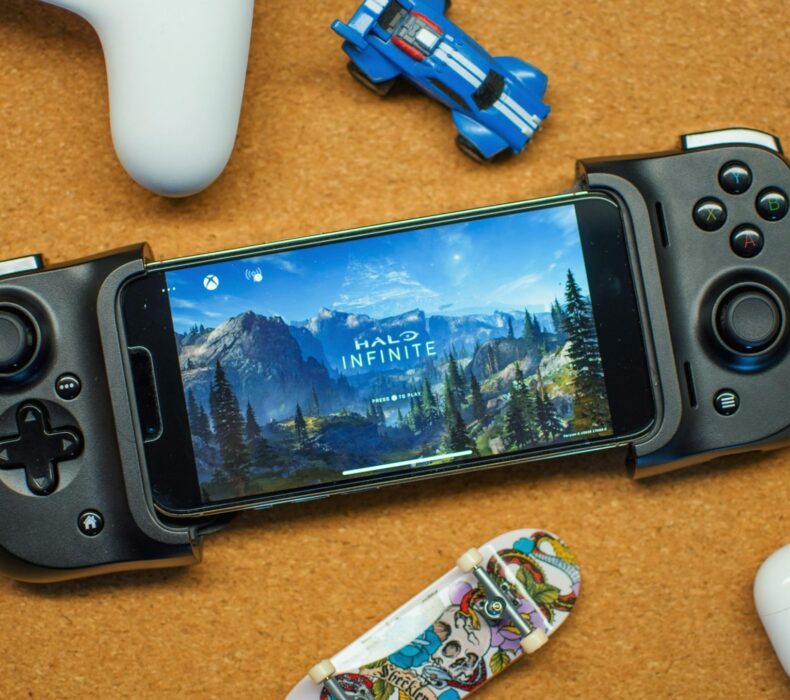
Arm’s new upscaler promises PC-quality graphics on mobile
Arm has launched an open-source solution designed to improve graphics upscaling on mobile devices, aiming to deliver PC-quality gaming experiences on smartphones while optimizing both performance and power consumption. The new solution, called Arm Accuracy Super Resolution (Arm
Hugging Face partners with NVIDIA to democratise AI inference
Hugging Face has partnered with NVIDIA to introduce inference-as-a-service capabilities to one of the largest AI communities globally. Announced at the SIGGRAPH conference, this collaboration will provide Hugging Face’s four million developers with streamlined access to NVIDIA-accelerated inference
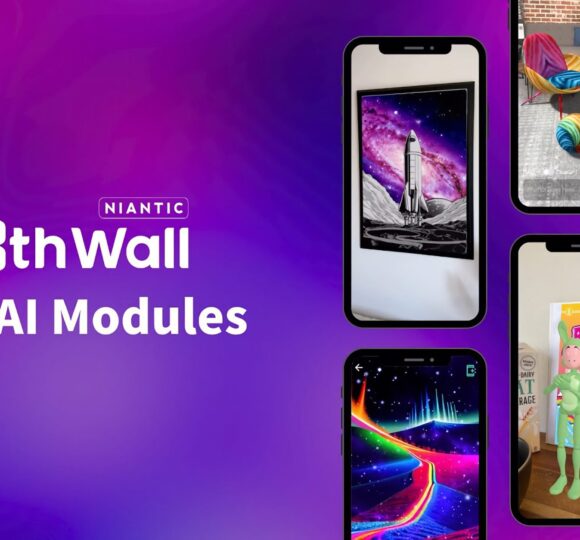
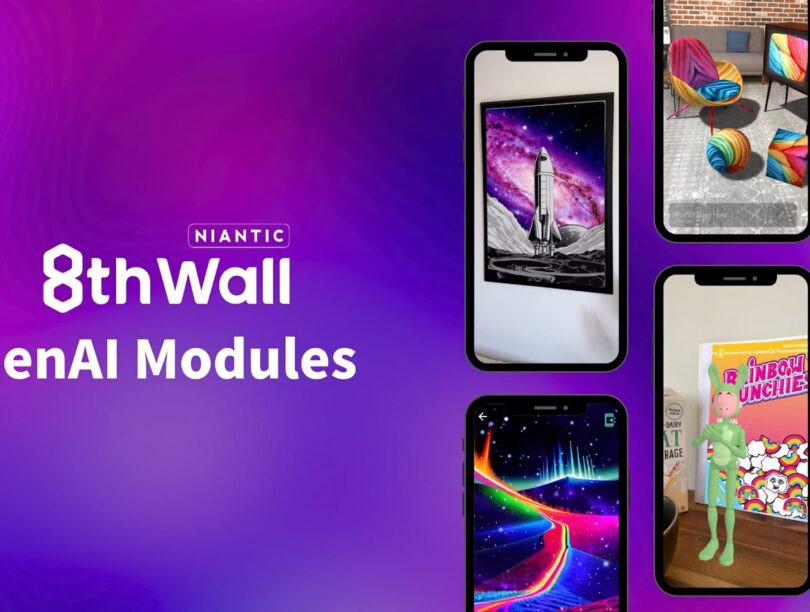
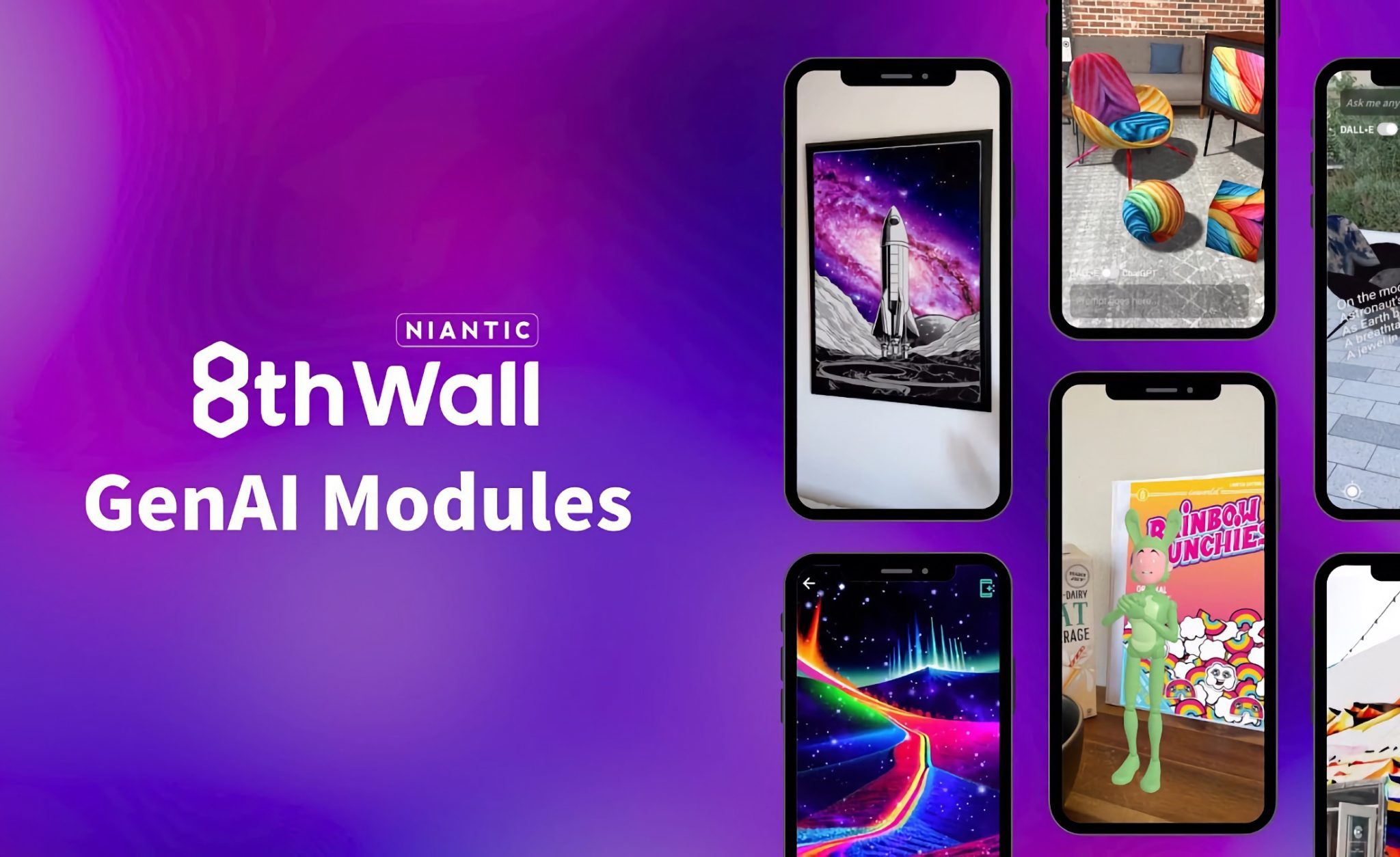
Niantic 8th Wall enhances WebAR with powerful GenAI modules
Niantic’s 8th Wall is set to enhance its WebAR platform by integrating generative AI (GenAI) modules, aiming to transform augmented reality experiences. This technological fusion offers developers, brands, and agencies enhanced creative possibilities while enriching users’ interactions with

Developers Gain Improved Access to App Store Spotlight Features
Apple has introduced a new feature called “Featuring Nominations” within App Store Connect, providing developers with an enhanced opportunity to gain visibility in the App Store spotlight. In an announcement on Apple’s developer website, the company stated: “Share
Artificial Intelligence market expected to fit a trillion dollars by 2030
The global artificial intelligence (AI) market is on a remarkable trajectory, projected to grow from $196.63 billion in 2023 to an astounding $1,811.75 billion by 2030. This significant growth is fueled by a compound annual growth rate (CAGR)


Unity 6 launches amid ongoing effort to rebuild trust
Unity 6 has officially launched, being hailed as the most stable and high-performing version of the game development platform to date. In a blog post, Matt Bromberg, the President and CEO of Unity, announced the release, underscoring the